How it works
A walkthrough of the product, start to finish
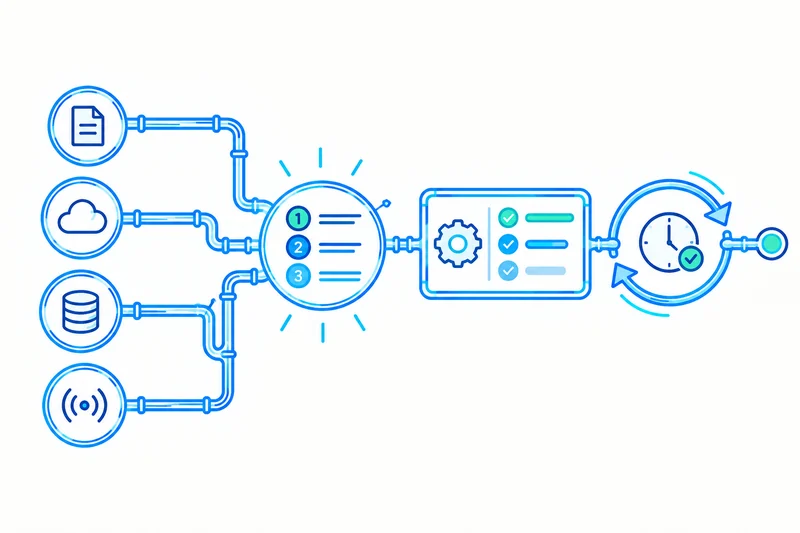
This is how your data actually moves through Indigo, from raw and fragmented to a ranked list your team can act on. Four steps, start to finish: connect the data you already have, let it get automatically cleaned and validated, watch detection begin on what's now a trustworthy foundation, and end up with a prioritized list — leaks to check first, pipes to plan for next. No new sensors, no data science team, no guesswork in between.
-
01 Step
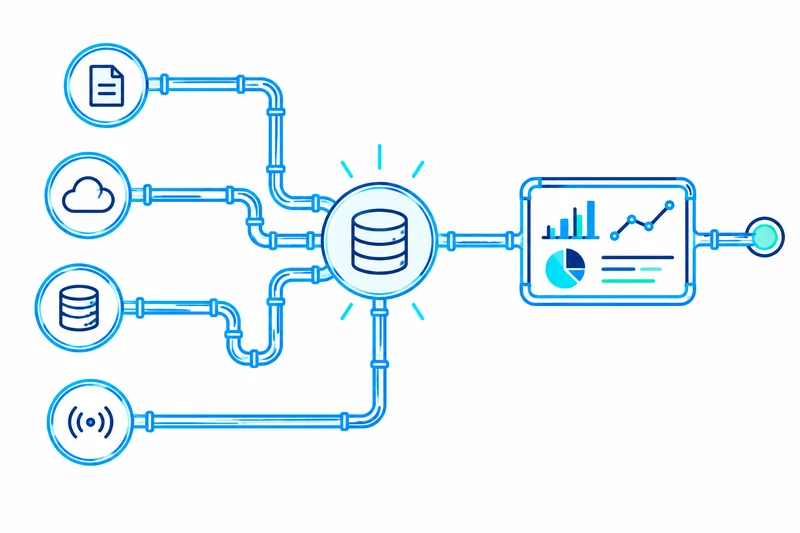
Connect your data
Point Indigo at what you already run — SCADA, billing exports, GIS layers, break history. No new sensors, no new hardware. Most utilities connect their first source within a day.
-
02 Step
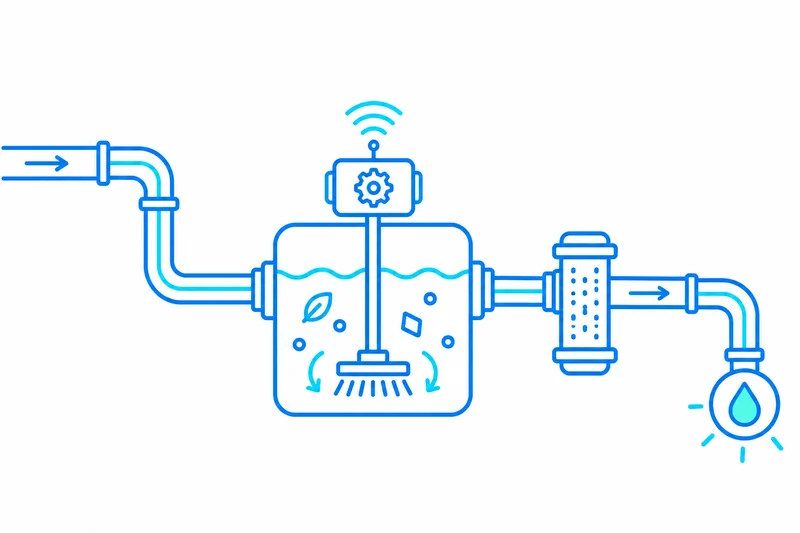
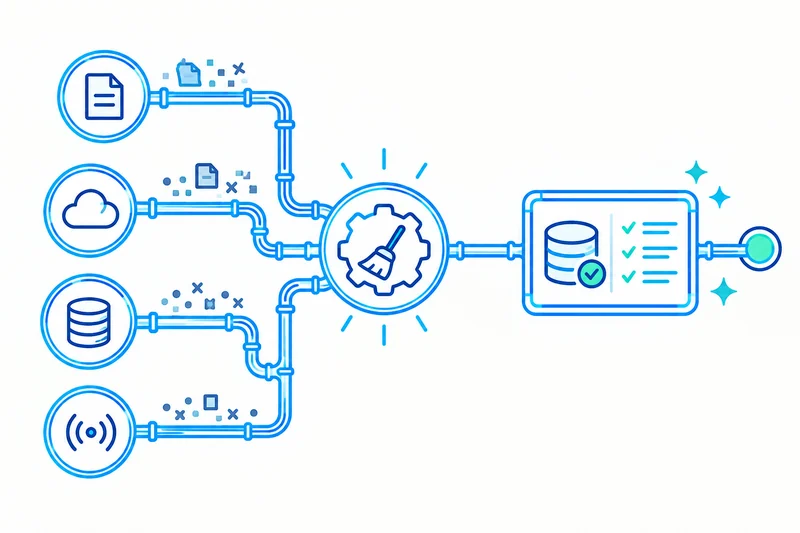
Automated clean-up
Data Drop aligns timestamps, fills gaps, and standardizes identifiers across every source automatically. You'll see a quality score per dataset, with every correction logged and traceable back to the raw source.
-
03 Step
Detection begins
Waterloss Insight starts analyzing the cleaned data immediately — the path it uses (Prioritize, Alert, or Localize) depends on what data you connected. You'll see your first ranked loss estimates within the first sessions.
-
04 Step
Prioritized action, ongoing
Your team gets a live, ranked list of where to look — and Foresight layers in which pipes are likeliest to fail next, so budget goes to what matters most, not what's loudest.
Before you start
What we actually need from you
Only the data you already collect — SCADA, billing exports, GIS layers and break history. No new sensors, no new hardware, and no data science team on your side.